Naturopathic Medicine Student – Ashley Burkman
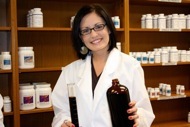 Ashley Burkman is a recent graduate in the Doctor of Naturopathic Medicine Program at National University of Health Sciences. She was enrolled in National University’s bachelor degree completion program while she was shopping around.
“I was interested in chiropractic medicine at first, then explored the possibility of enrolling in osteopathic medical school. I even ‘shadowed’ some osteopathic doctors to see what their practice,” she says. “But things changed when I met Fraser Smith, ND, who is the assistant dean of National University’s naturopathic medicine program.”
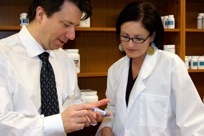 “Talking to Dr. Smith totally changed my point of view on medicine. He was so willing to sit down with me and answer my questions.” Ashley discovered that the philosophy offered in naturopathic medicine was actually what she’d been searching for but couldn’t find in other professions.
“Although I looked at other ND schools, National was a perfect fit for me. I especially liked the location because I could live in the city,” she says. Ashley lived downtown near Chicago’s Wrigley Field, and commuted to campus daily. “I enjoyed the city. It’s very diverse and you can do anything you want. There were great yoga centers, Chicago Cubs games, tons of community service opportunities, and I liked the culture in the Chicago.”
What’s Ashley’s advice for students considering naturopathic medicine as a career? “Definitely ‘shadow’ different doctors in different settings to figure out exactly what you want to do and how you want to practice.”
“My goal is to get a residency in a cancer center in a hospital and to eventually practice in a hospital and focus on oncology. Naturopathic medicine works to treat the whole person including boosting the immune system, improving digestion, encouraging proper amounts of sleep, monitoring energy levels, encouraging good nutrition, teaching good exercise habits, and healing the spirit,” she explains.