As chiropractic students, we spend a great deal of time learning about the different tools and techniques available to help patients move, heal and function better. Two techniques that are often confusing are instrument-assisted soft tissue mobilization (IASTM) and traditional soft tissue massage. Although they have similarities, their goals and methods are quite different.
What’s the difference?
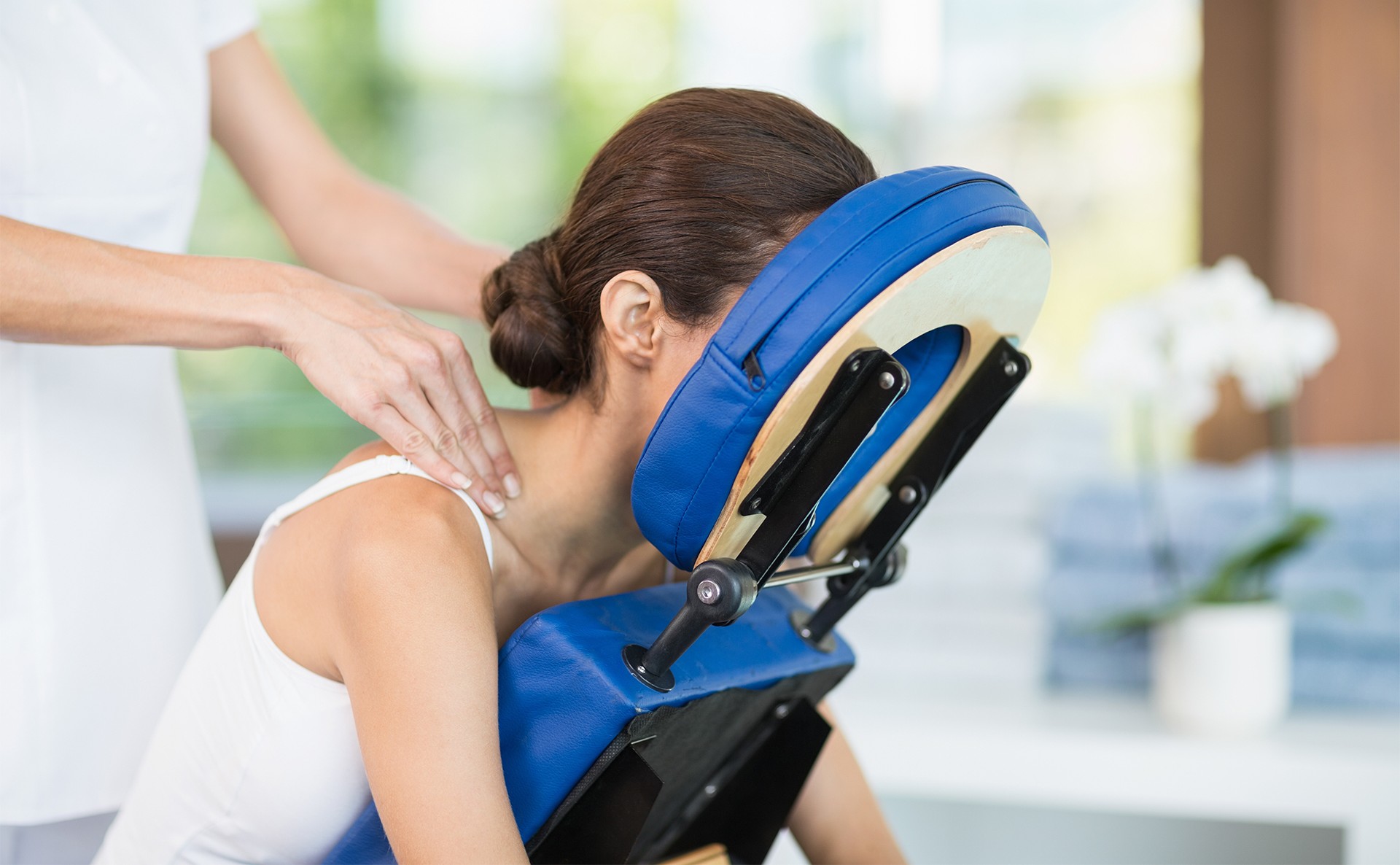
Traditional soft tissue therapy relies on the practitioner’s hands to apply pressure to muscles and deeper tissues. The goal is often to reduce muscle tension, increase blood flow, decrease pain and eventually restore normal muscle function. This approach tends to focus more directly on the muscle itself and is commonly used to address tightness, soreness, overuse injuries and those annoying “neck cricks.”
IASTM takes a different approach. Rather than relying solely on the practitioner’s hands, specially designed instruments are used to detect and treat fascia restrictions, also known as facias adhesions, which is the connective tissue that surrounds muscles, nerves, blood vessels and organs. Over time, fascial adhesions and scar tissue can develop, limiting mobility and contributing to pain or dysfunction.
What’s your goal?
The instruments allow practitioners to assess the tissue with greater precision, IASTM is especially useful for addressing more superficial restrictions and promoting improved tissue mobility. While traditional soft tissue techniques often target the deeper muscular layers, IASTM focuses on restoring normal movement between the fascial layers.
Neither technique is inherently better than the other. Instead, each has its own purpose, and many practitioners use both techniques together to help patients achieve the best possible outcomes.
More to explore: