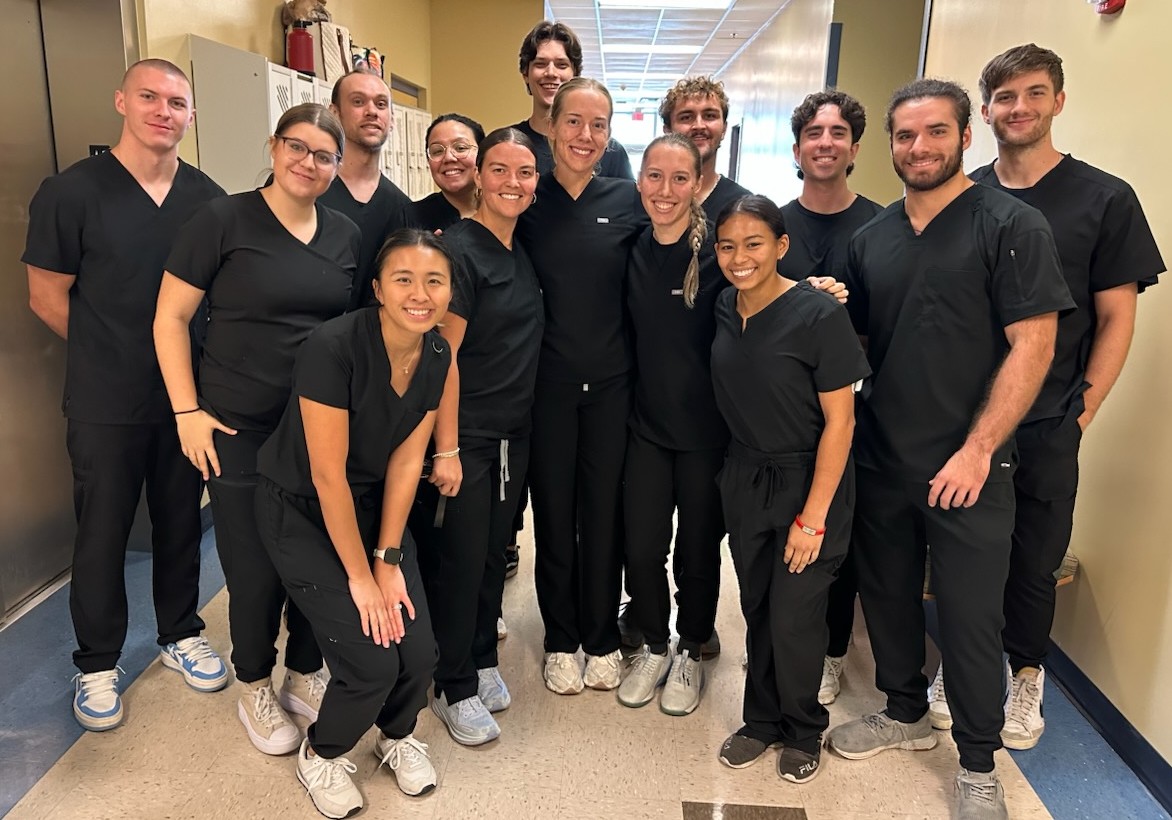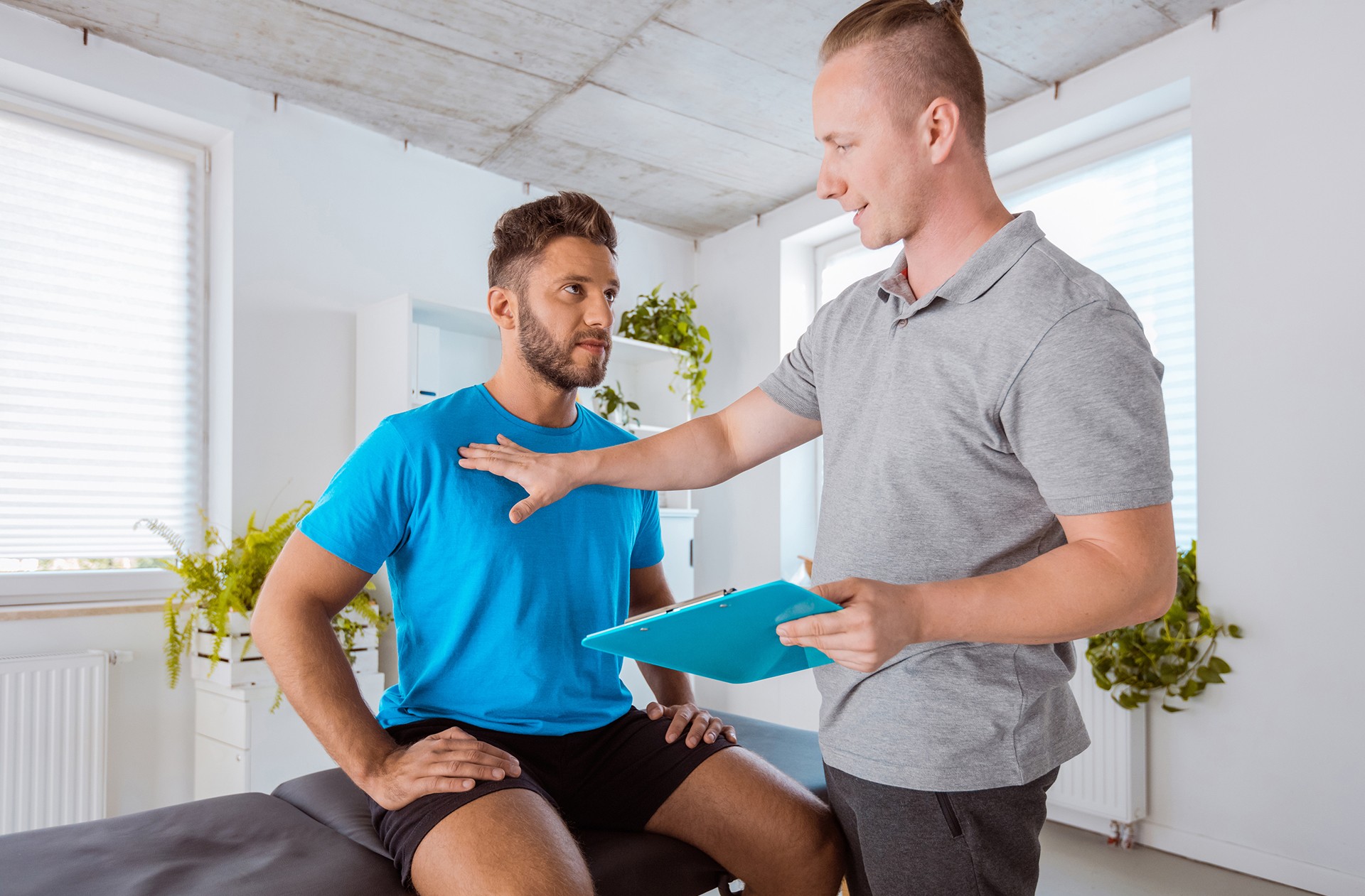
It’s easy to think of lab classes as another requirement to get through before the next practical exam. But there’s something important to remember: one day, the person sitting across from you won’t be your lab partner. They’ll be your patient, and they are going to trust you with their health care.
Savor Opportunities
Every opportunity to practice in class is an opportunity to become a better clinician. Whether you’re performing an orthopedic test, practicing a muscle examination, or discussing nutrition, don’t just focus on getting the technique right. Practice explaining what you’re doing and why you’re doing it.
Being Patient with Your Patients
Your classmates already understand much of the terminology you’re using. Your future patients might not know the difference between a ligament and a tendon, understand what an inflammatory response is, or have any idea why you’re asking about their nutritional habits.
Being able to translate what you’ve learned into language someone without a medical background can understand is a skill that takes practice.
Take advantage of open labs. Volunteer to be the person being examined. Practice with classmates outside your usual group. Most importantly, get comfortable talking through what you’re doing rather than simply performing the technique.
You aren’t just preparing for your next practical. You’re preparing for the day someone walks into your office, trusts you with their health, and looks to you for answers. Start practicing for that day now!