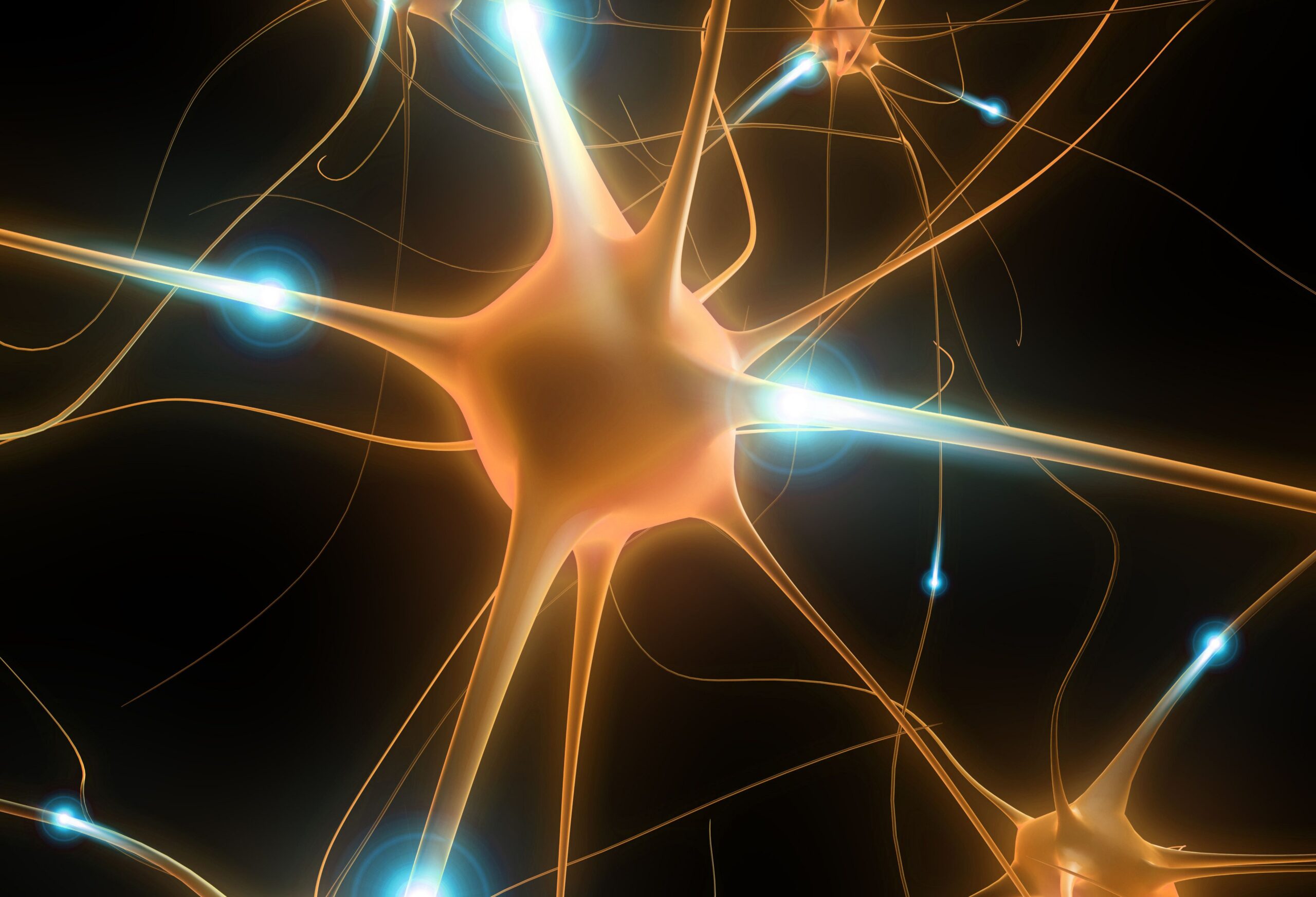
Postural Orthostatic Tachycardia Syndrome (POTS) is one of the most common forms of dysautonomia, a broad term describing disorders of the autonomic nervous system—the part of the body responsible for regulating heart rate, blood pressure, digestion, temperature control and other automatic functions we don’t consciously think about. In POTS, the hallmark feature is a significant rise in heart rate (usually 30+ beats per minute in adults) within minutes of standing, without a corresponding drop in blood pressure. This creates a cascade of symptoms that can include dizziness, brain fog, fatigue, nausea, palpitations, exercise intolerance, headaches and even feelings of panic or overstimulation. For many, the condition feels like their body is constantly overreacting to simple daily movements, leading to unpredictable energy, difficulty functioning and a sense that they are out of sync.
Multiple Causes
POTS isn’t caused by just one thing—it’s an umbrella presentation with multiple underlying drivers. Some people have low blood volume, others have excessive sympathetic activation and some have small fiber neuropathy affecting the nerves that control the blood vessels. Others develop POTS after viral illnesses, concussion, chronic stress, surgeries, rapid growth spurts or autoimmune changes. This diversity of causes is why the condition varies so widely from person to person and why treatment must be individualized rather than one-size-fits-all.
The Importance of Hydration
The most effective and research-supported starting point for POTS management is supporting the physiology behind the symptoms. Hydration and electrolyte intake are foundational, because many people with POTS have reduced blood volume. Increasing water and salt helps stabilize blood flow and reduce that lightheaded, shaky feeling upon standing. Compression garments are another powerful tool, especially thigh-high or abdominal compression, which helps prevent blood from pooling in the lower body and reduces the compensatory heart-rate surge.
Why Exercise?
One of the strongest evidence-backed interventions is graded exercise training, but it must be done correctly. Traditional upright cardio often worsens symptoms early on, so POTS-specific training starts in a recumbent or semi-recumbent position, such as using a rowing machine, swimming, or riding a recumbent bike. As the body adapts, training gradually shifts toward more upright activities. This progression improves cardiac stroke volume, vascular tone and autonomic regulation over time. It’s not a quick fix, but when done consistently and patiently, it’s one of the most impactful long-term strategies. Many patients also benefit from simple counter-maneuvers like leg crossing, calf squeezing or tensing lower-body muscles during moments of dizziness, which can quickly increase blood return to the heart and reduce symptoms.
These foundational strategies don’t cure POTS, but they often create meaningful improvements in function, energy and day-to-day stability. Functional neurology approaches POTS and dysautonomia through the lens of neuroplasticity, autonomic balance and regulation of brain-body communication. A functional neurology practitioner may assess a patient’s vestibular system, eye movements, gait, balance, respiration and autonomic patterns to identify areas of imbalance or asymmetry. From there, they may design a customized program incorporating elements like vestibular rehabilitation, eye-movement training, balance and proprioceptive exercises, breathwork, HRV training, and graded movement-based therapy using a tilt table. Each of these tools is meant to strengthen specific neural circuits that regulate autonomic stability, helping the body shift out of fight-or-flight dominance and improve tolerance to positional changes, sensory input and physical activity.
Where Functional Neurology Fits In
Many components of functional neurology such as targeted vestibular rehab, autonomic retraining techniques, and structured exercise progression, align closely with what current research supports for POTS. Where functional neurology shines, is in creating a highly individualized program. In addressing the brain-based components that can amplify dysautonomia symptoms, such as midline integration, cerebellar function and sensory processing. When combined with medical evaluation, lifestyle foundations and patient education, functional neurology can be a valuable pathway for improving regulation, stamina and quality of life.