In June 2025, I tore my anterior cruciate ligament (ACL) on a birthday night with friends. Following a few months of “pre-hab,” I had my surgical reconstruction at the end of August. Even as someone in the musculoskeletal field, nothing could really prepare me for becoming “the patient.”
A Common Injury
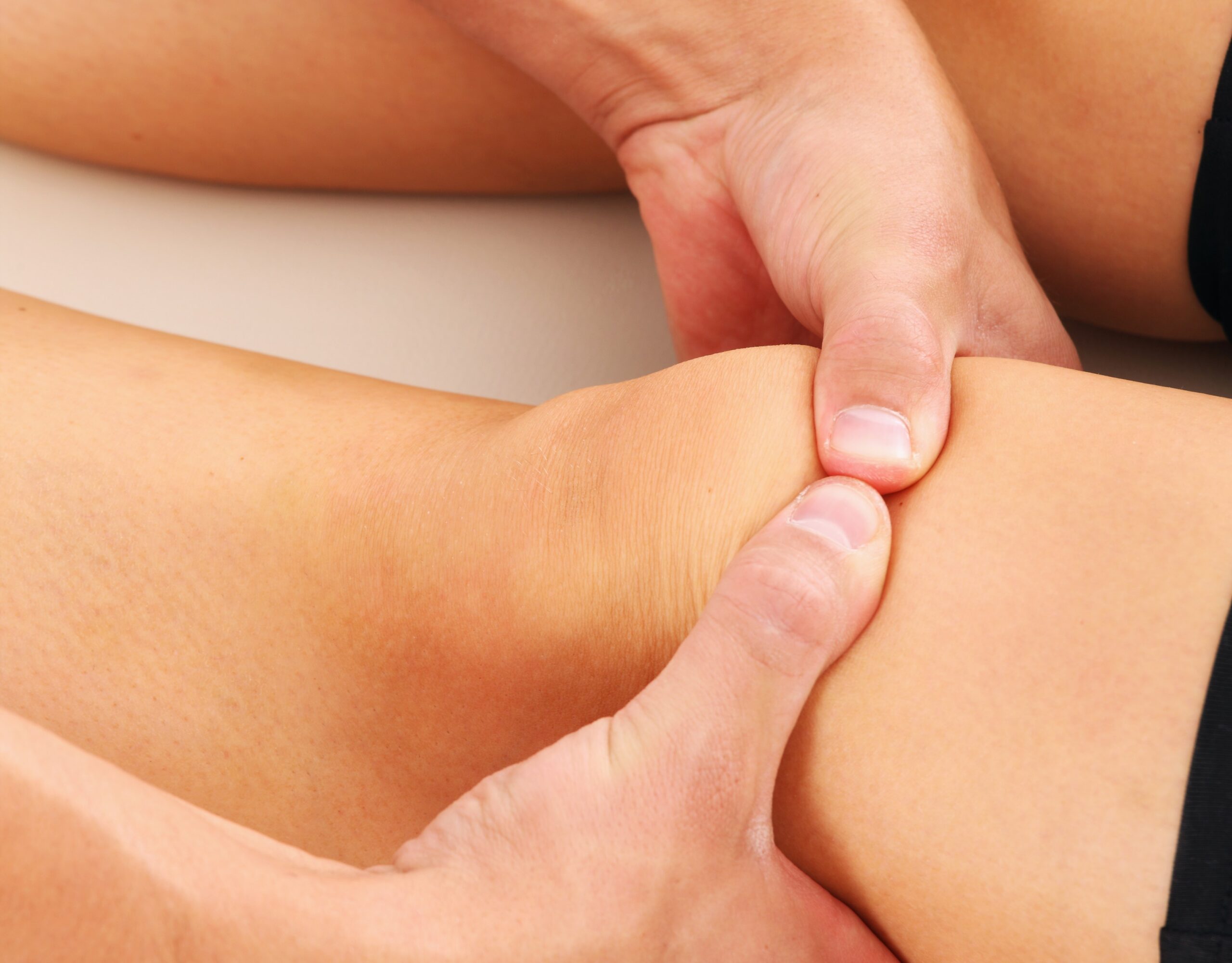
The ACL is a key ligament in the center of the knee connecting the femur (thighbone) to the tibia (shinbone). Its function is to stabilize the knee against front-to-back and rotational movements. ACL injuries are common sports injuries.
According to the National Institutes of Health (NIH), “the annual reported incidence in the United States alone is approximately 1 in 3,500 people. There are approximately 400,000 ACL reconstructions every year in the United States.”
I have always lived a highly active lifestyle, and it has been part of who I am for most of my life. Going from that version of myself to someone stuck on the couch, swollen knee elevated, quad barely contracting, was humbling in a way I did not expect. The early weeks were terribly slow, full of pain, stiffness and fatigue. The mental battle of watching your muscle disappear was something I have never experienced before, and there always was underlying frustration of celebrating something as “small” as finally bending past 90 degrees. When you are used to pushing your body hard, being advised to slow down feels unnatural.
ACL rehab is not linear, but rather full of slow wins and mental setbacks. Early on, the focus is simple but critical: to reduce swelling, restore full passive extension, regain pain-free range of motion and re-establish quadriceps activation. If you do not get knee extension back early, everything downstream becomes harder. From there, we gradually load the joint with controlled weight bearing, closed-chain strength and proprioceptive retraining. Progress was not about pushing hard as I was used to doing in the weight room. It was about doing the right things at the right time.
Perspective is Everything
As someone studying neurology and rehab, I understood motor control, arthrogenic muscle inhibition and progressive overload. But feeling my quad refuse to fire gave me a completely different respect for patients who say, “I’m trying, it just won’t work.” The fear of the first unassisted step, jump and single leg balance was humbling in ways I could never utterly understand before.
There was so much vulnerability in asking for help with daily automatic tasks, and so much mental fatigue with daily exercises that feel repetitive and minor compared to where you used to be. ACL reminded me of something I always knew to be true: that perspective is everything. This process has changed how I see my patients. When someone tells me they are frustrated with slow progress, I completely believe them. When they are afraid to trust their knee again, I understand that hesitation is not weakness: it is neurologically driven protection.
A significant musculoskeletal injury is not only about the healing of tissue. It ends up being a period of identity rebuilding, a mentally challenging period. As difficult as the process has been, my experience of my own ACL reconstruction has made me a more patient and empathetic future clinician.