As a student of Traditional Chinese Medicine (TCM), I’ve come to see how deeply Daoism is woven into the heart of our studies and practice. Daoism, one of the oldest spiritual and philosophical traditions of China, is centered around the Dao often translated as “the Way.” The Dao represents the natural order of the universe, an ever-flowing current that guides life, growth and transformation. Instead of seeking to control or resist this flow, Daoism teaches us to align ourselves with it, living in harmony.
Connectedness to Nature
At its core, Daoism emphasizes balance, simplicity and connection to nature. One of its guiding principles is wu wei, or “effortless action.” This doesn’t mean inaction, but rather choosing actions that arise naturally, without struggle or force. In our modern world of constant pressure and overdoing, this teaching is a refreshing reminder to slow down and trust the process. In clinical practice, this could look like listening more than speaking or choosing treatments that support the body’s innate ability to heal rather than trying to override it.
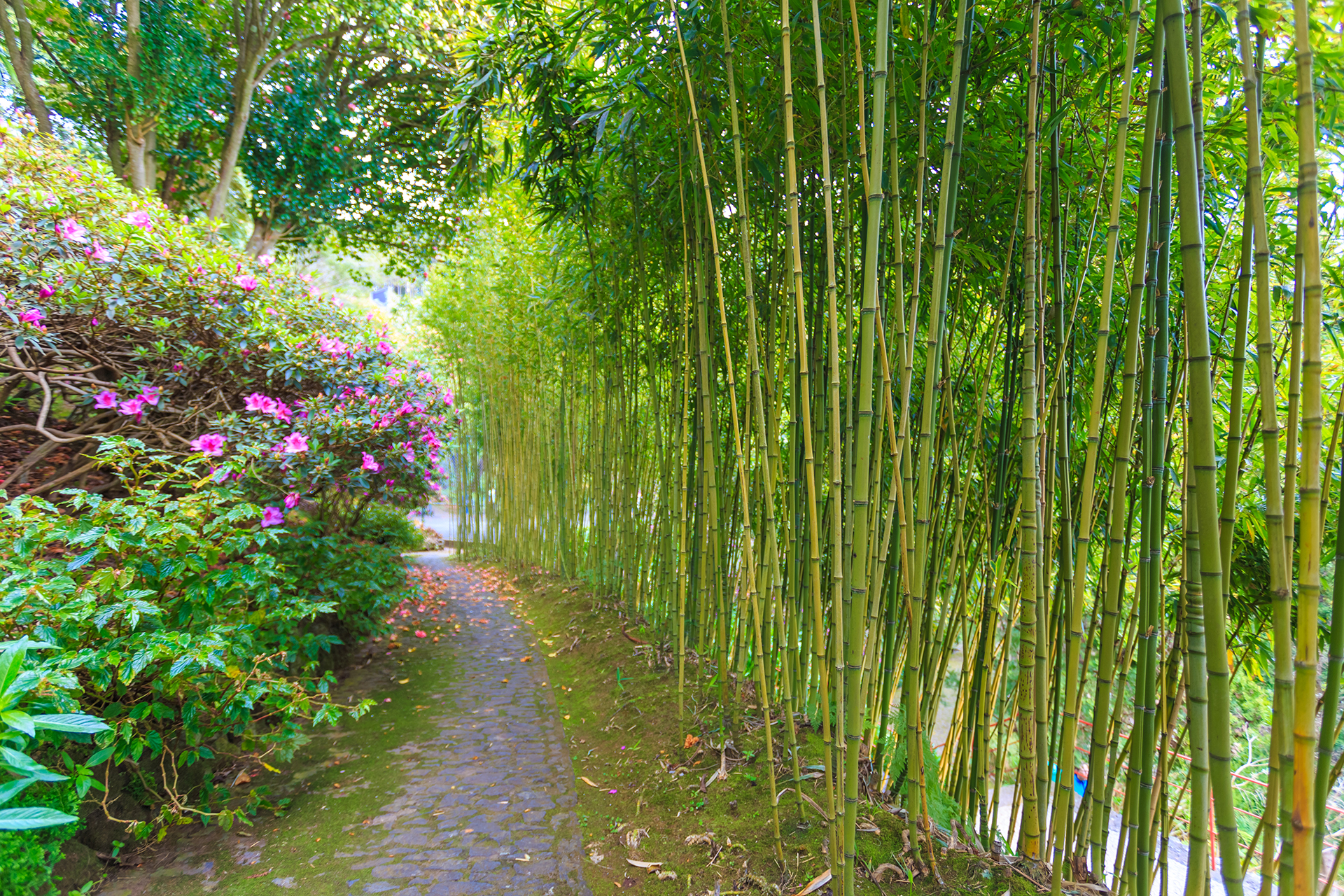
Another important aspect of Daoist living is honoring the cycles of nature. Eating with the seasons, resting when it is dark and spending time in natural spaces are simple but powerful ways to bring ourselves into alignment. For me personally, I’ve noticed that even small acts like walking outside after class or preparing a warm meal in the colder months can bring a sense of calm and clarity.
Living in Flow
Ultimately, the Daoist way of life isn’t about perfection. It’s about presence, balance and harmony. As TCM students and future practitioners, embracing this philosophy not only grounds us in our own lives but also allows us to guide patients toward living in flow with the Dao. Your challenge this week is to intentionally alter your schedule to incorporate an aspect of Daoism into your week!