Most people think of playing an instrument as a hobby, creative outlet, or way to relax. While it can certainly be all these things, research has shown that learning and playing music is also one of the most powerful forms of brain training available.
What happens when you play a musical instrument?
When you play an instrument, your brain is required to integrate information from multiple systems simultaneously. You must process visual input from sheet music, auditory input from the sounds you hear, and proprioceptive feedback* from your hands and fingers. At the same time, you are coordinating precise motor movements while maintaining attention and timing. This level of multisensory integration activates widespread neural networks throughout the brain.
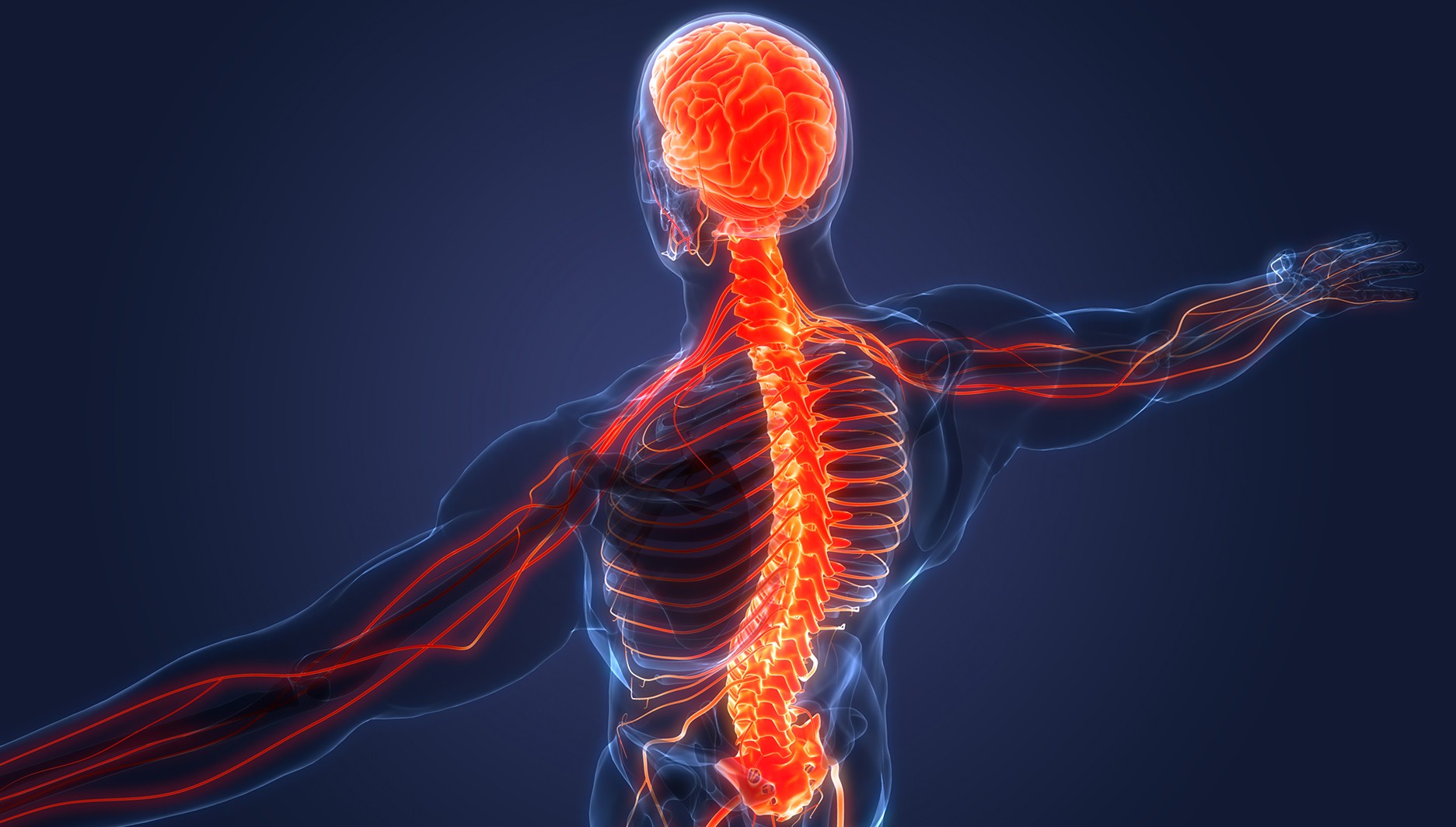
Studies using functional MRI have demonstrated increased activity in areas involved in motor control, auditory processing, memory and executive function during musical performance. The corpus callosum, the major connection between the brain’s hemispheres, has been shown to be larger in musicians, suggesting enhanced communication between the left and right sides of the brain.
Playing an instrument also promotes neuroplasticity, the brain’s ability to adapt and form new neural connections. Every time a musician practices a new skill, neural pathways are strengthened through repetition. This process is similar to how athletes develop motor patterns through training. Over time, these repeated experiences lead to measurable structural and functional changes within the nervous system.
Cognitively Speaking
From a cognitive standpoint, musical training has been associated with improvements in attention, working memory, processing speed and executive function. These benefits may extend beyond music itself, influencing performance in academic, professional and everyday tasks that require focus and mental flexibility.
Music also engages the brain’s reward system. Successful practice and performance can trigger dopamine release, reinforcing learning and motivation. This combination of challenge, repetition, sensory integration and reward creates an ideal environment for long-term brain adaptation. Whether you’re learning your first chords on a guitar or practicing a complex piano piece, you’re doing much more than making music. You’re providing your brain with a rich neurological workout that strengthens connections, enhances cognitive function and supports lifelong brain health.
*Proprioceptive feedback is the constant stream of sensory information your muscles and joints send to your brain about your body’s position, movement and force.