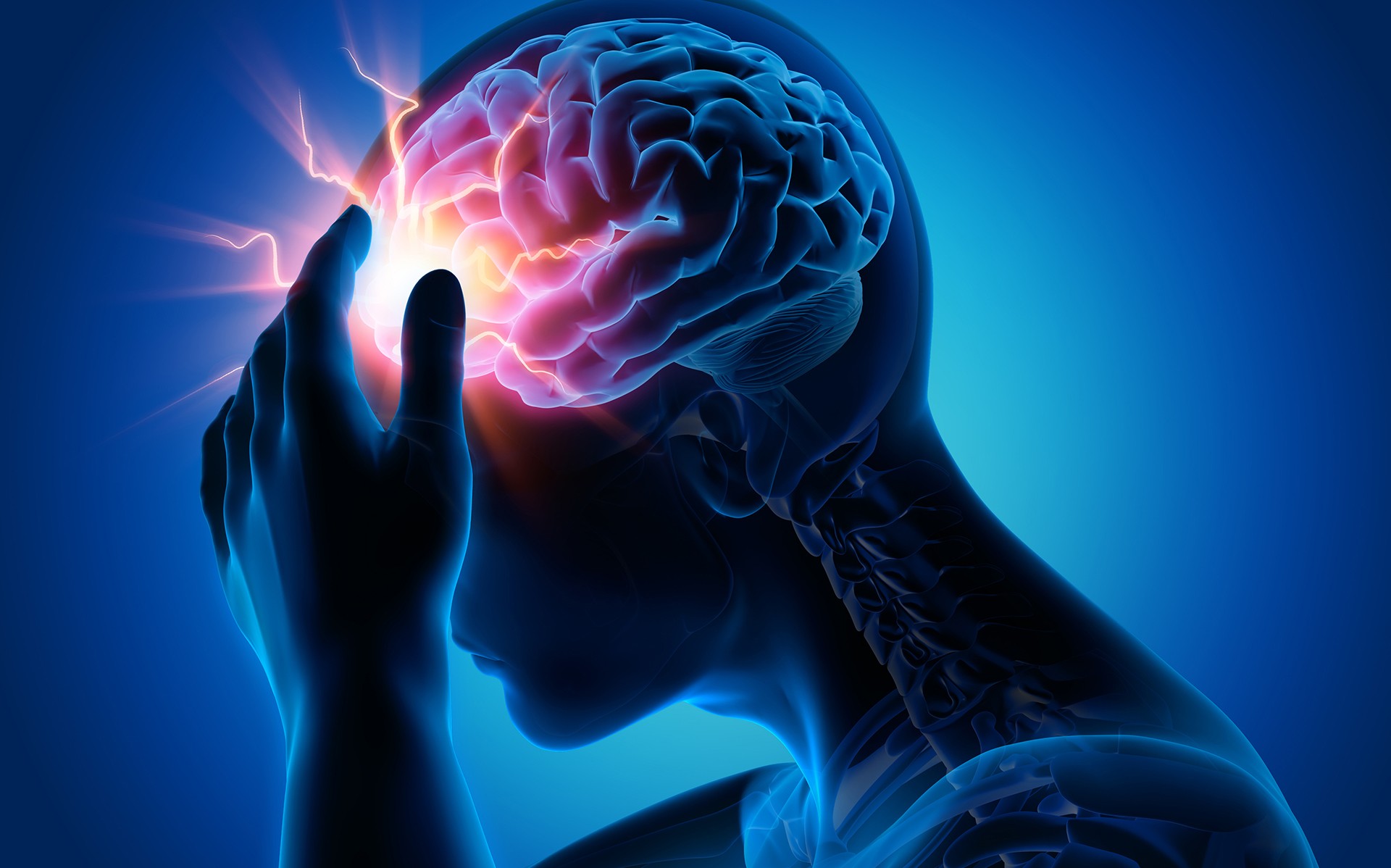
For individuals who experience migraines, light can sometimes feel like the enemy. Photophobia, or sensitivity to light, is a common migraine symptom, and even ordinary indoor lighting can become uncomfortable during an attack. Interestingly, emerging research suggests that not all light affects the brain in the same way. In fact, green light may offer some relief.
The Research
Researchers at the University of Arizona have been investigating how different wavelengths of light influence migraine symptoms. One proposed explanation involves the way retinal photoreceptors communicate with brain regions involved in processing pain. Unlike other wavelengths, green light appears to produce less activation of certain pathways associated with pain signaling, potentially making it more tolerable for individuals with migraines.
A particularly interesting 2021 study published in Cephalalgia evaluated green light exposure in individuals with episodic and chronic migraines. Participants were exposed to green LED light for 1–2 hours daily over 10 weeks. Researchers observed an approximate 60 percent reduction in monthly headache days, decreasing from an average of 18.4 to 7.4 days. Participants also reported improvements in headache intensity and quality of life. The study may be viewed in PubMed here.
The Need for Greater Study
Although these findings are promising, larger controlled studies are needed to establish its effectiveness. Green light therapy is not a replacement for conventional migraine treatment, but it may offer an additional non-pharmacological approach worth exploring.
I look forward to the future of researching in this area, and I’m always happy to learn of new potential adjunct treatments that can help about this population.