A recent report from the prestigious medical journal The Lancet delivered a surprisingly hopeful message in the world of brain health: nearly 45 percent of dementia and Alzheimer’s disease cases may be preventable by addressing modifiable lifestyle and health factors throughout life. For years, many people viewed Alzheimer’s disease as purely genetic or unavoidable. Genetics absolutely plays a role. But researchers are now learning that the brain is deeply influenced by daily habits, movement, cardiovascular health, sensory input and cognitive engagement. One of the most fascinating and accessible tools for brain health may be right at our fingertips: finger exercise.
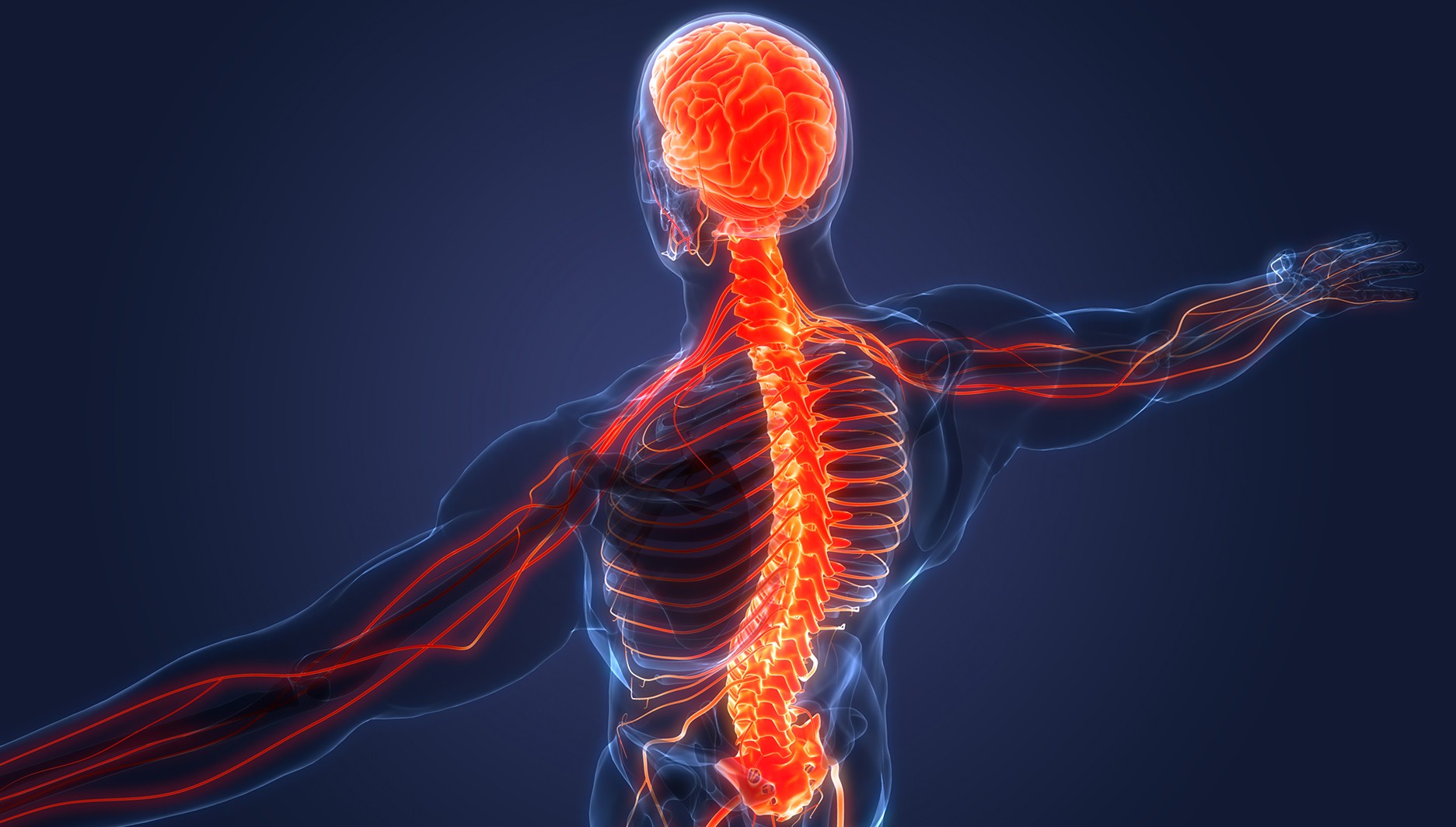
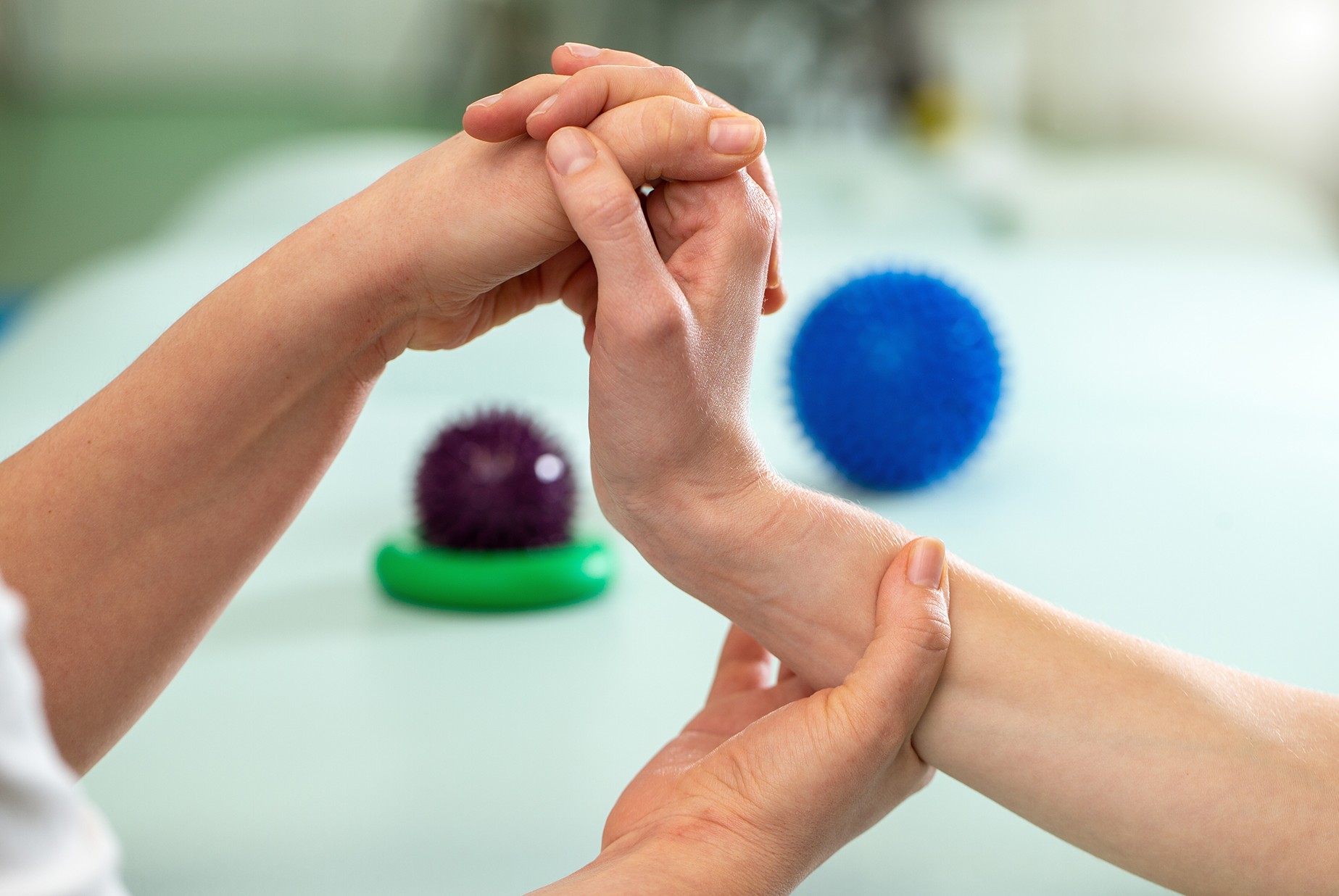
The human hand takes up a massive amount of “real estate” in the brain. In the motor cortex and sensory cortex, the fingers require incredibly detailed neural control and feedback. Every time we perform fine motor movements — tapping, playing piano, knitting, typing, squeezing therapy putty or coordinated finger drills — the brain activates large neural networks involving the frontal lobe, cerebellum, sensory cortex, basal ganglia and even attention centers.
In simple terms: finger movement is brain exercise.
These movements increase communication between brain cells and help stimulate neuroplasticity, which is the brain’s ability to adapt, grow and strengthen connections. Blood flow to the brain also increases during coordinated movement tasks, delivering oxygen and nutrients that support brain function. Research has shown that complex hand movements can improve processing speed, attention, reaction time and memory performance–all functions that are often affected early in Alzheimer’s disease. This also connects strongly to one of the major themes from the Lancet report: physical inactivity and reduced cognitive stimulation are major modifiable risk factors for dementia. When the brain stops being challenged, stimulated, and engaged, neural networks become weaker over time.
Keep Moving!
Finger exercises are especially powerful because they combine movement, coordination, sensory feedback, attention and learning all at once. That combination activates multiple brain regions simultaneously, like a “full-body workout” for the nervous system. In addition to the Lancet article, PubMed also reported an article in which the function of the hand was identified as a predictor of early diagnosis and progression of Alzheimer’s dementia. The encouraging part is that brain health does not depend on one magic supplement or expensive treatment. Small daily habits matter. Moving your body, protecting cardiovascular health, staying socially engaged, learning new skills and even practicing fine motor exercises can all contribute to a healthier, more resilient brain over time. Alzheimer’s disease is complex, but the growing message from neuroscience is empowering: the brain responds to how we use it.