In the world of nutritional supplements, Pyrroloquinoline Quinone (PQQ) is gaining attention for its potential to support cellular energy production, brain health and even longevity. Though it’s less well‑known than mainstream nutrients like vitamin D or Omega‑3s, scientific research suggests PQQ may play meaningful roles in human health.
PQQ is a small molecule originally discovered in bacteria, where it acts as a cofactor for enzymes involved in redox reactions, which are processes that help cells manage energy and oxidative stress. Interestingly, PQQ is also found in small amounts in foods such as kiwi, green peppers, and fermented soybeans, but typical dietary intake is very low, which is why supplements have become popular.
What the Research Says.
One of the most compelling areas of research on PQQ revolves around mitochondrial function. Mitochondria, the energy “powerhouses” of our cells, naturally decline in function with age. Several animal and preliminary human studies suggest that PQQ may stimulate mitochondrial biogenesis, the process by which cells grow new mitochondria. This has led researchers to explore PQQ’s potential to support energy metabolism, especially in aging populations.
Supporting mitochondrial biogenesis is crucial because mitochondria are central to almost every aspect of cellular function. Healthy mitochondria produce ATP, the molecule that powers nearly all cellular processes, and regulates oxidative stress, inflammation, immunity and even cell survival. As mitochondrial function declines, cells become less efficient at generating energy, which can contribute to fatigue, cognitive decline and age‑related diseases. By promoting the growth of new mitochondria, compounds like PQQ may help maintain cellular vitality, enhance physical and mental performance and protect against age-related deterioration.
Contributors to Cognitive Decline.
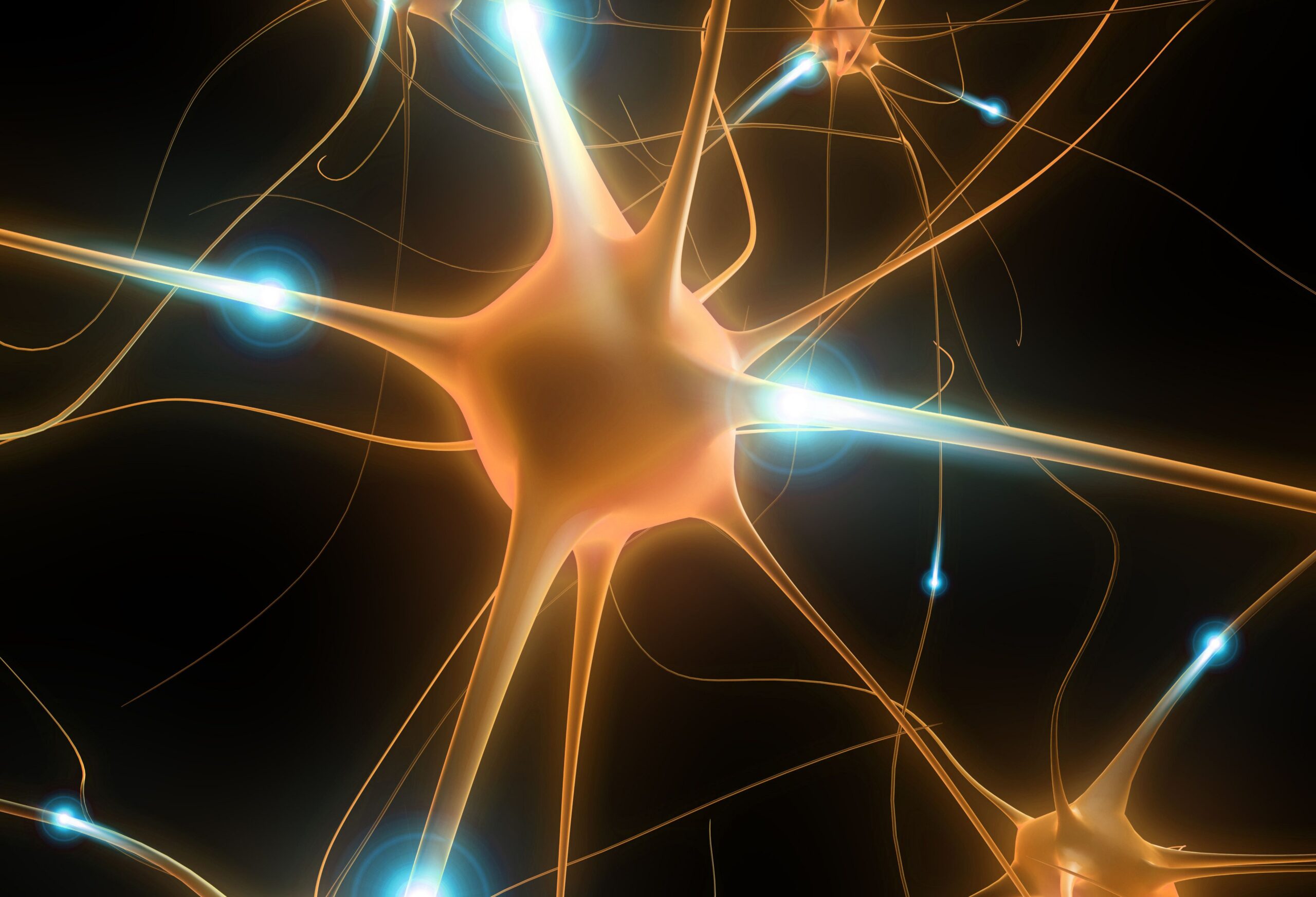
PQQ has also been researched for its neuroprotective effects. Oxidative stress and inflammation are key contributors to cognitive decline, and PQQ exhibits antioxidant properties that help neutralize free radicals. In small human trials, supplementation has been associated with improvements in attention and memory tasks, though larger, long‑term studies are still needed to confirm these benefits. Some research also points to cardiovascular effects, such as modest improvements in markers of heart health and reductions in inflammation, again highlighting PQQ’s role in cellular protection.
PQQ is an intriguing compound with scientific backing for mitochondrial support, antioxidant effects and cognitive health. If you’re considering adding it to your supplement regimen, consult with a health care provider to make sure it aligns with your health goals!