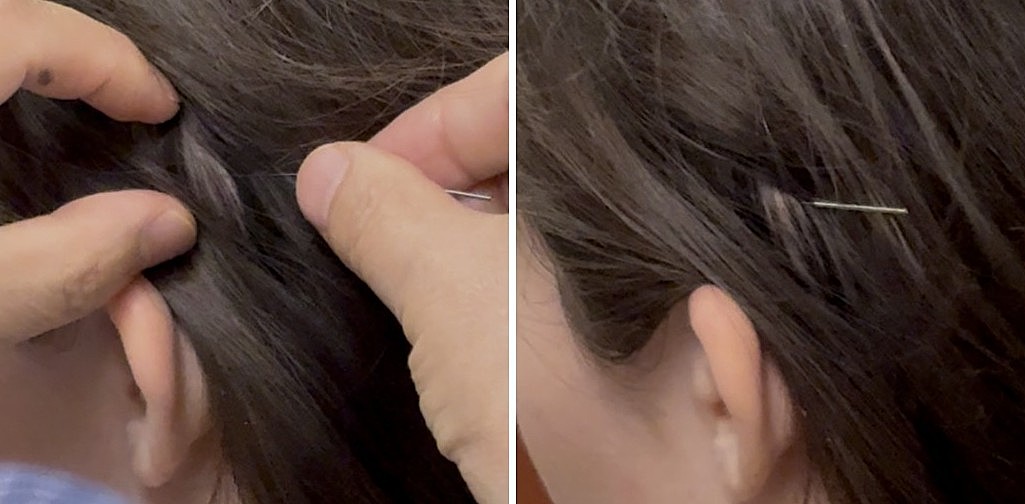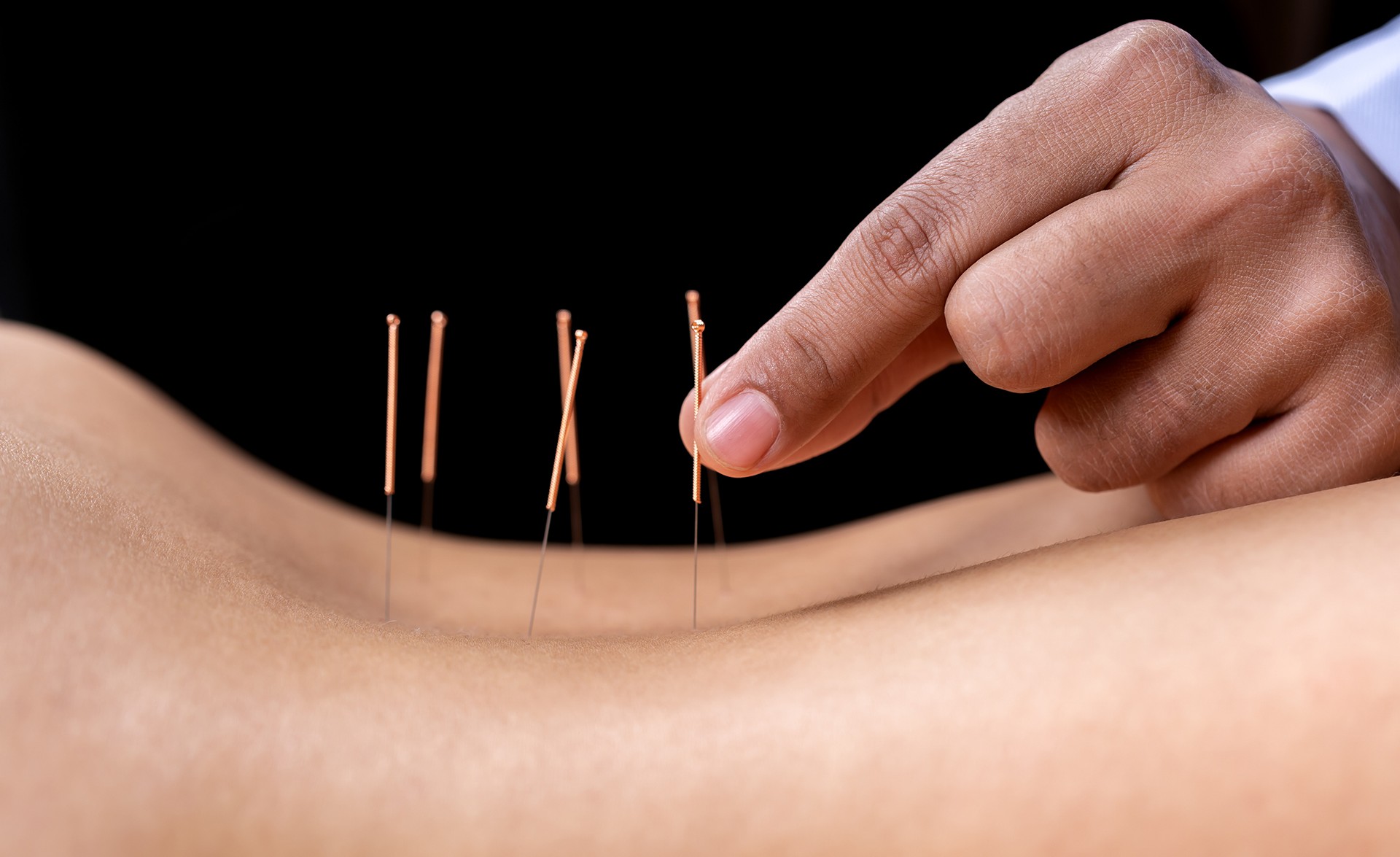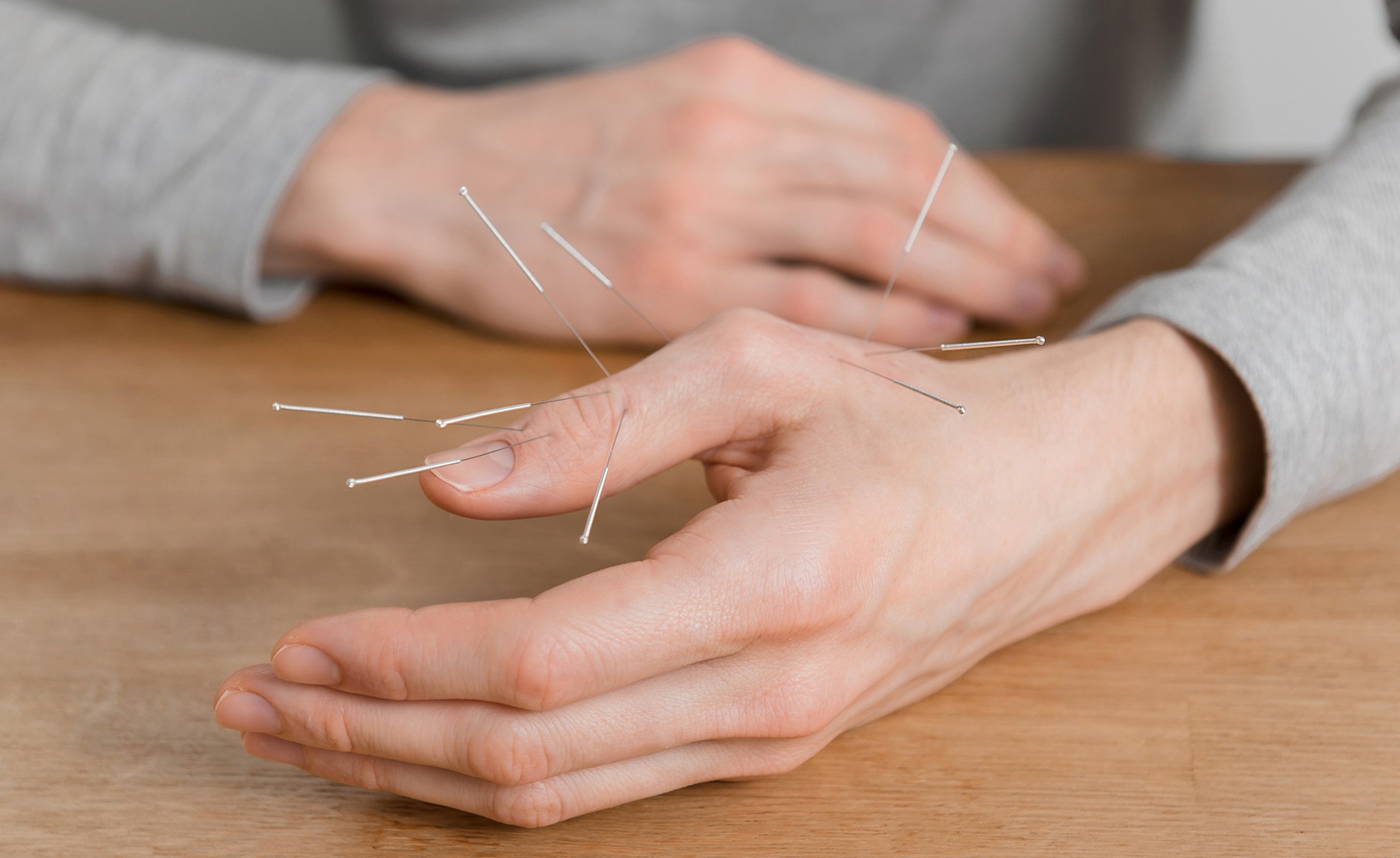
Sometimes the placement of needles in acupuncture may seem counterintuitive. For those who have never received acupuncture, it would be logical to assume that if you have right knee pain, the acupuncturist will place needles in your right knee, and if you have left shoulder pain, the needles will be placed in your left shoulder. And for those with right knee pain who have received acupuncture before, you may be wondering why sometimes the needles are placed near your affected knee, and sometimes there are no needles near your knees at all. What different strategies do acupuncturists use to treat musculoskeletal pain? While there are many acupuncture theories that result in decreased feelings of physical pain, Ashi point therapy and the balance method are commonly utilized.
Ashi Point Therapy
What we refer to as trigger points in the West have historically been referred to as “Ashi points” in Traditional Chinese Medicine (TCM). Similar to dry needling, an acupuncturist may decide to utilize Ashi point therapy, placing the needles directly into spots of tension to break up and calm down muscular and connective tissue. The needle creates a micro injury that causes the tissues to twitch and reset, which ultimately increases blood flow, restores mobility and releases pain-relieving chemicals. This method is especially effective if you want an immediate release of the local tissue.
The Balance Method
The Balance Method, developed by Dr. Richard Teh-Fu Tan, utilizes distal points (located on the arms, legs, hands, and feet) that are located far away from the site of pain. In clinics around the world today, an evolved version of Dr. Tan’s method, referred to as X-shaped balance acupuncture, is commonly used to treat musculoskeletal conditions. For right knee pain, the needles are placed in the left elbow region. When treating left shoulder pain, the needles are placed near the right gluteal base. For right foot issues, the needles are placed in the left hand (left ankle, right wrist; right bicep, left quadricep; left forearm, right shin; etc.). From an anatomical perspective, the planes of our connective and muscular tissue are organized in an X-shaped fashion. This method is especially effective in addressing a chronic, dysfunctional muscular pattern.
Clinical Evidence
Recent studies (see linked articles) have shown support for the effectiveness of both X-shaped balance acupuncture and Ashi point acupuncture when treating musculoskeletal conditions.