What is the Vagus Nerve?
The vagus nerve is a cranial nerve that runs from the brain stem all the way to the large intestine. It acts as a two-way communication pathway between the brain and major internal organs. Also known as Cranial Nerve X, it is a key component of the parasympathetic nervous system, which is commonly known for its role in our ability to “rest and digest.” Heart rate variability (HRV), which is the variation in time between consecutive heartbeats, is a measure that can be used to assess vagal tone. There is a strong correlation between a high/low HRV and a high/low vagal tone.
The Importance of Increasing Vagal Tone
High vagal tone, which occurs with increased stimulation and activation of the vagus nerve. It is an indication of a healthy and flexible nervous system that is capable of restoring your body’s breath and heart rate back to baseline after a stressful event. Low vagal tone means that your body struggles to shift into a state of relaxation. This ultimately leaves your sympathetic nervous system (“fight or flight”) unopposed. Low vagal tone is associated with conditions that involve systemic inflammation and nervous system imbalances, including cardiovascular diseases, mental health disorders and gastrointestinal issues. Stimulating the vagus nerve “resets” your nervous system. In other words, it brings you out of “fight or flight” and back to baseline. When vagal pathways are stimulated, neurotransmitters that have a calming effect are released, and the release of pro-inflammatory cytokines are decreased (which serves to decrease chronic inflammation).
How Acupuncture Stimulates the Vagus Nerve
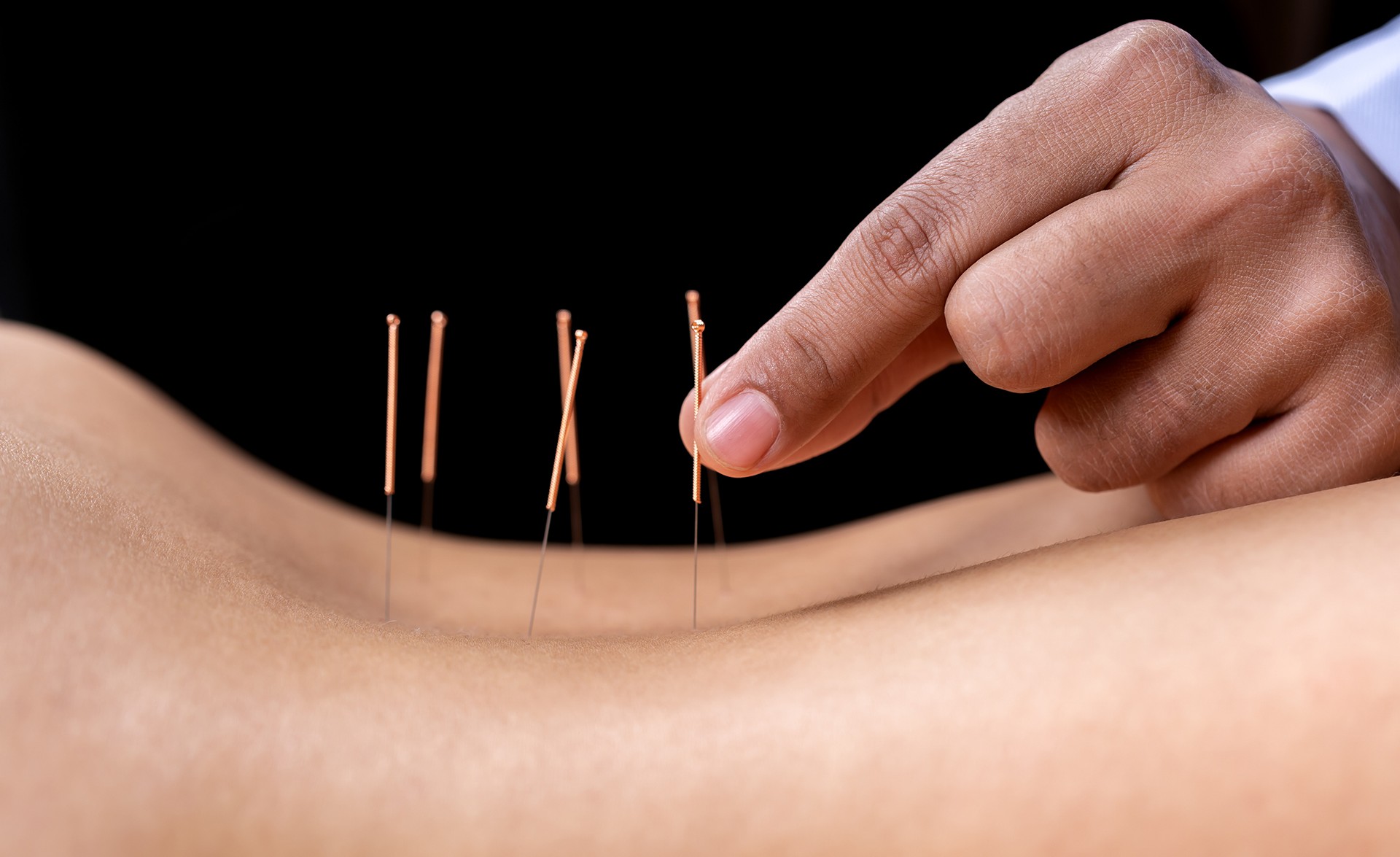
While the main trunk of the vagus nerve as well as the bulk of its branches are located deep within the body alongside major blood vessels, there are nerves located superficially that communicate with the vagus nerve. The placement of needles along these superficial nerves stimulates the vagus nerve. This activates the parasympathetic (“rest and digest”) nervous system, helping the body shift out of the sympathetic (“flight or fight”) state.
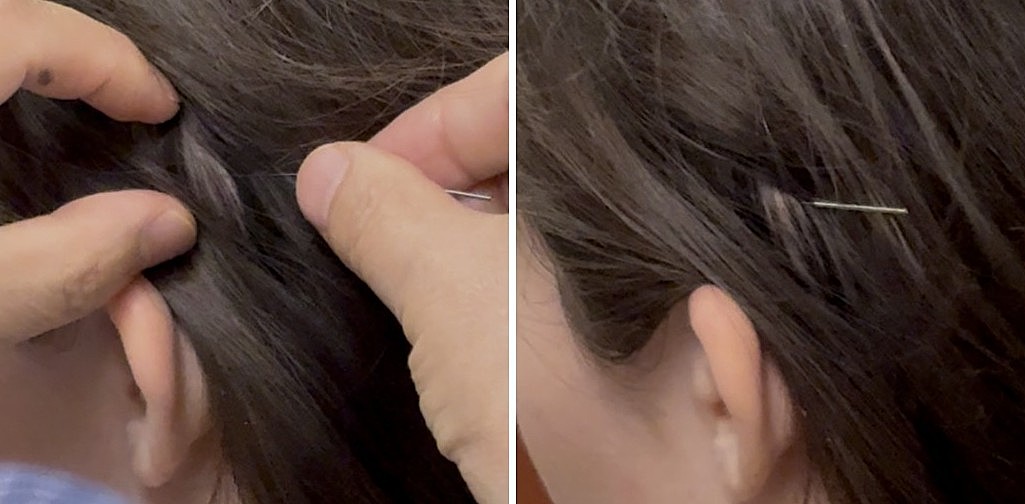
Auricular acupuncture has a particular ability to activate the parasympathetic nervous system due to the auricular branch of the vagus nerve (ABVN). It is located superficially near the conchae of the ear. Acupuncture points located in this area include Point Zero, Auricular Heart Point and Ear Shenmen.
Acupuncture points PC6 (wrist/forearm), CV17 (chest), and ST36 (below the knee) do not directly stimulate a branch of the vagus nerve like auricular points do, but they stimulate local somatic sensory nerves that then trigger vagal reflexes.
Other Modalities for the Vagus Nerve
If acupuncture is not accessible, other modalities that can be utilized to increase vagal tone include: brief cold exposure (such as an ice bath), prolonged exhalation breathing techniques, humming that vibrates the throat and aerobic exercise.