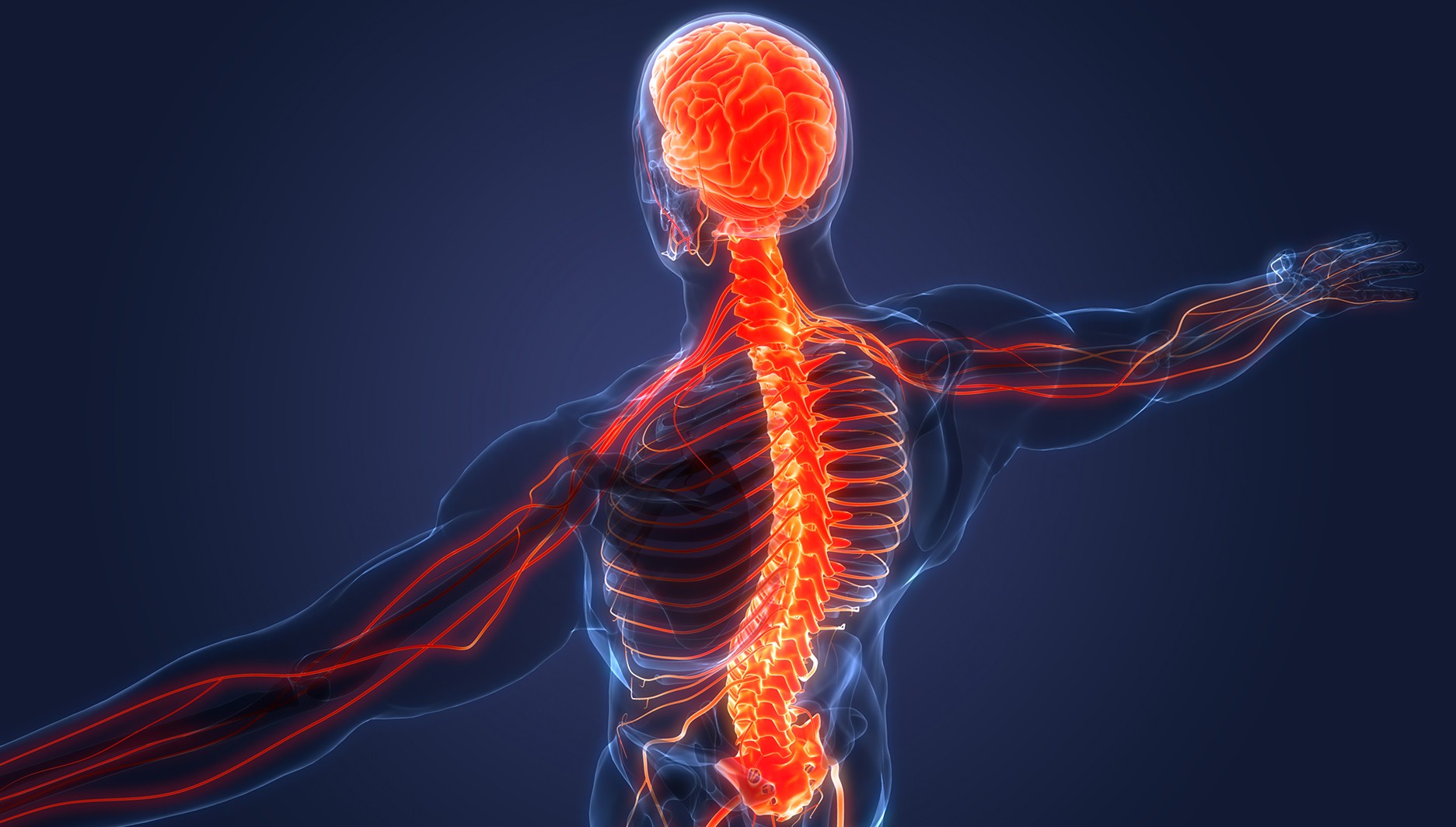
Your autonomic nervous system (ANS) quietly manages the essential functions of your body like your heart rate, digestion, blood pressure and breathing, and it functions without you even thinking about it. It has two main branches: the sympathetic “fight or flight” and the parasympathetic “rest and digest” nervous system. Maintaining balance between the two helps us feel calm yet alert, recover faster from stress and support overall health and wellbeing.
Exploring Your Options
There are many (free) ways to support the function of your autonomic nervous system. One of the simplest ways to support your ANS is through deep, diaphragmatic breathing. Slow, belly breaths stimulate the vagus nerve, a key parasympathetic nerve, which can reduce heart rate and lower tension in just a few minutes. Sleep is another incredibly important component of autonomic health. The ANS thrives on rhythm, so prioritizing consistent bedtimes and wake times, along with aiming for 7–9 hours of quality sleep, can improve heart-rate variability and resilience to stress. Sleep provides your body with time to restore and repair, so a lack of sleep can quickly push the body into a state of stress.
Regular, moderate movement is also essential. Activities like walking, swimming or cycling enhance parasympathetic tone and cardiovascular health, while gentle mobility exercises or yoga prevent overtraining, which can overstimulate the sympathetic system. We can also use mindful exposure to temperature changes to support the ANS, and this is something we often utilize in chiropractic and naturopathic treatments. Alternating between hot and cold, such as finishing a warm shower with a short cold rinse or using a sauna, helps your nervous system adapt to stressors over time.
Finally, daily moments of calm are crucial. Life is not always stress-free, but meditation, time outside, journaling or simply unplugging from screens can lower baseline stress hormones, helping your body transition more easily into a relaxed state.
Supporting Your Autonomic Nervous Systems
Supporting your autonomic nervous system isn’t about living a totally stress-free life—it’s about consistency. Small, intentional habits woven into your day can make a big difference in how your body and mind respond to stress. Over time, these practices help you balance the sympathetic and parasympathetic branches of your ANS, improving focus, mood, digestion, and overall resilience. By integrating breathing, sleep, movement, mindful stress exposure and daily calm into your routine, you’re giving your nervous system the tools it needs to function at its best!
Read more about heart rate variability (HRV).