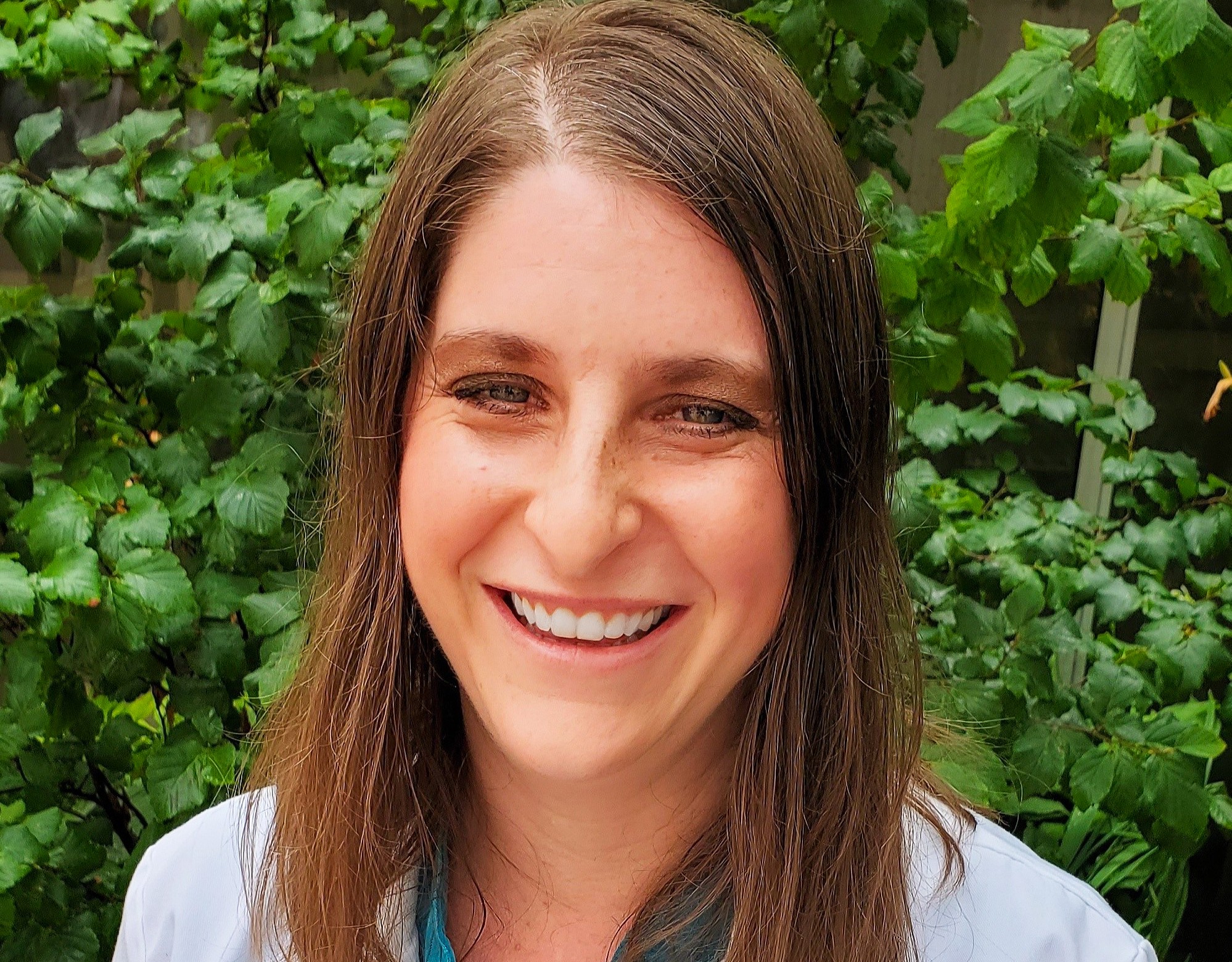
On June 17, Jennifer Green, ND, DC, chief naturopathic medicine clinician at National University of Health Sciences’ (NUHS’) Whole Health Center in Lombard, Illinois, led a webinar for the Association of Accredited Naturopathic Medical Colleges (AANMC). The webinar was titled “Take the Sting Out of Summer: Natural Histamine Mastery.”
Many people deal with bug bites, stings and food allergies, especially during the summer. While these reactions are usually mild, some people can experience serious allergic responses when their bodies release too much histamine. Histamine is a chemical involved in the body’s immune response.
Understanding Severe Allergic Reactions
In some cases, a severe allergic reaction called anaphylaxis can occur. Anaphylaxis is a medical emergency that can develop within minutes or hours after exposure to an allergen. Symptoms may include a skin rash, nausea, vomiting, and a rapid, weak pulse. Common triggers include certain foods, medications, insect venom and latex. According to the Allergy & Asthma Network, 51% of U.S. adults with food allergies have experienced a severe reaction. Insect venom allergies are linked to as many as 72 deaths each year.
Natural Ways to Support Healing
During the webinar, Dr. Green discussed ways to reduce the effects of histamine and support the body’s natural healing process. Several naturopathic approaches that may help include following a low-histamine diet, taking supplements such as quercetin, vitamin C, and glutathione, and wearing protective clothing to help prevent insect bites and stings.
Dr. Green noted that these approaches may not be right for everyone and encouraged people to work closely with their primary care physicians before starting any treatment plan.
A Personal Connection
“Histamine sensitivity is important to me because it affects so many people in different ways,” Dr. Green said. “It can have a major impact on daily life. Some people avoid activities, cancel vacations, or become afraid to eat certain foods because they don’t know what is causing their reactions. Naturopathic support can make a real difference and help reduce severe reactions.”
Dr. Green said her interest in histamine sensitivity is also personal.
“I’ve had family members with histamine sensitivity, and I’ve seen how much it can affect their lives,” she said
Building Trust with Patients
For Dr. Green, one of the most important parts of patient care is building trust.
“The most important thing is listening to patients and building rapport,” she said. “Good communication helps patients trust their physician and strengthens the healing relationship.”
Education and Areas of Expertise
Dr. Green earned a Bachelor of Science in Biology from Loyola University Chicago in 2004. She earned her Doctor of Naturopathic Medicine degree from NUHS in 2010 and her Doctor of Chiropractic degree from NUHS in 2021. Before attending naturopathic medical school, she worked as a microbiologist for Baxter Pharmaceuticals.
Her areas of focus include women’s health, pediatrics, autoimmune disorders, endocrine disorders, laboratory diagnostics and Neurostructural Integration Technique (NST).
Learn More
To learn more about naturopathic remedies and creating a naturopathic first-aid kit, visit Dr. Green’s blog, Bug Bites, Stings, Ticks & Naturopathic Remedies.
Read more about Dr. Green and her work at the NUHS Whole Health Center-Illinois.