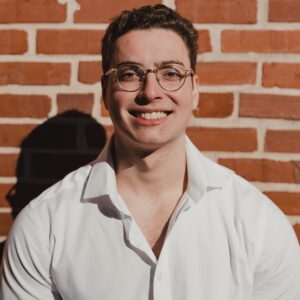
There is just over one month left in this trimester, and that means graduation is right around the corner. Along with the excitement of reaching this milestone, I am incredibly honored to share that I have been named valedictorian of my class. This recognition represents years of dedication and hard work throughout my academic career, and it is something I do not take lightly.
Preparing for the BIG DAY!
With this honor comes the responsibility of speaking at our commencement ceremony, an obligation that carries both meaning and pressure. I will be representing my cohort while addressing graduates from multiple NUHS programs, along with their families, loved ones, faculty and staff. Although we were fortunate to have public speaking emphasized in our business and marketing course with Dr. Freeman, which helped develop our skills, the magnitude of this moment is still, understandably, a bit daunting. This experience has led me to reflect on today’s blog topic: patient communication and public speaking.
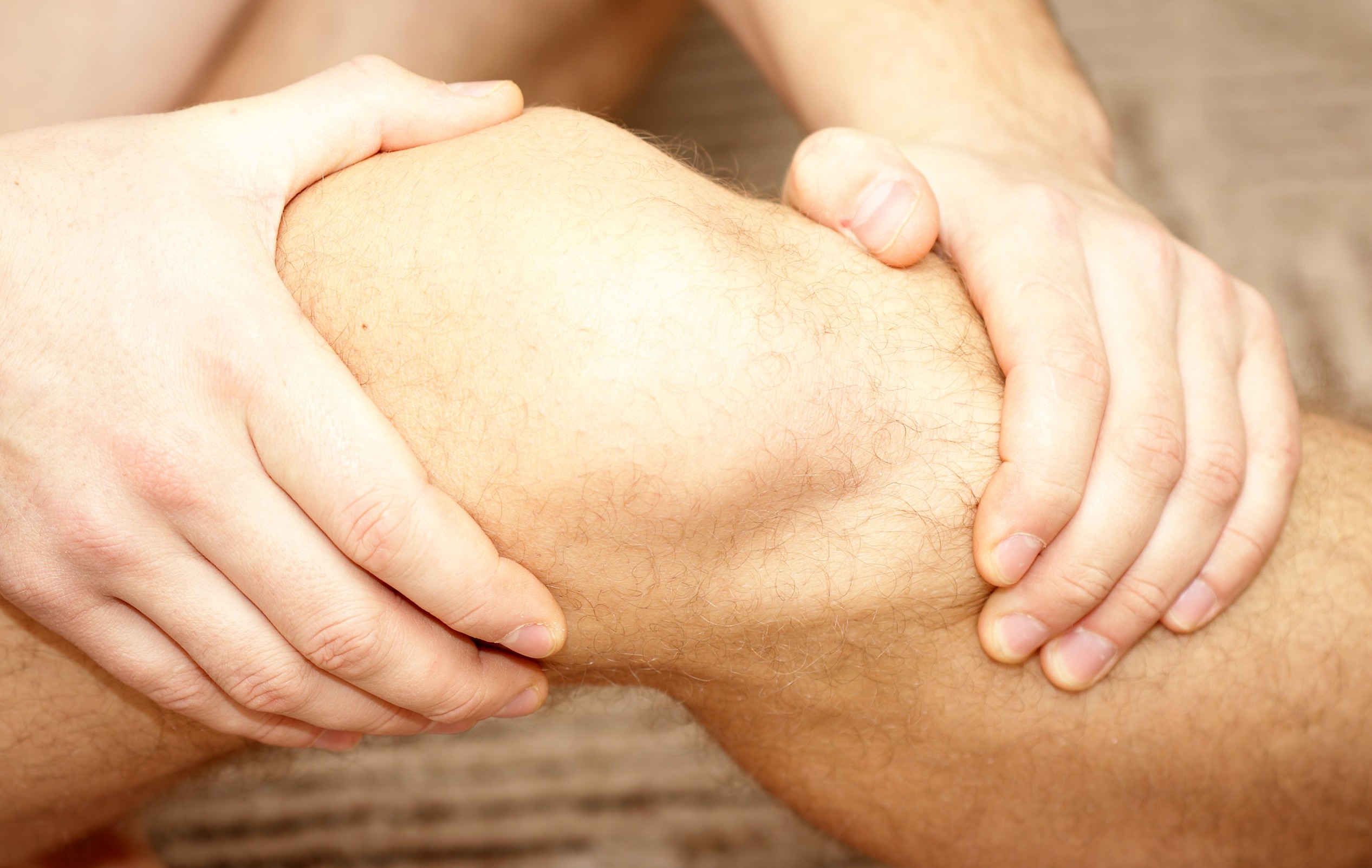
One lesson that has been consistently emphasized throughout my education is that clinical skills alone are not enough; effective communication is just as essential. It is not only about explaining conditions or treatment plans in terms patients can understand, but also about conveying empathy through both verbal and nonverbal communication. As future practitioners, we encounter patients at all stages of pain, recovery and vulnerability. I have seen firsthand how pain and physical limitations can influence a patient’s demeanor.
For example, I have encountered new patients who initially appear disengaged, skeptical or simply eager for a quick fix to a chronic issue. In those moments, it can be easy to misinterpret their behavior. However, after a thorough evaluation, thoughtful treatment, and most importantly, when they begin to experience improvement, their entire demeanor can shift. It often feels like interacting with a completely different person. Pain can make it difficult for individuals to express warmth or openness, but that does not diminish their need, or their right, to compassionate, attentive care. And that level of care always begins with strong, intentional communication.
The Power of Words.
As I prepare to step onto the stage at commencement, I have come to realize that public speaking and patient communication are deeply connected. Both require clarity, empathy, presence and the ability to connect with an audience, whether that audience is one patient in a treatment room or an entire graduating class. This next month represents not just the end of my academic journey, but the beginning of applying these skills in a meaningful way. One takeaway I will carry forward is that how we communicate can be just as impactful as what we know. Whether in practice or on a stage, our words, and how we deliver them, have the power to inform, comfort and inspire.