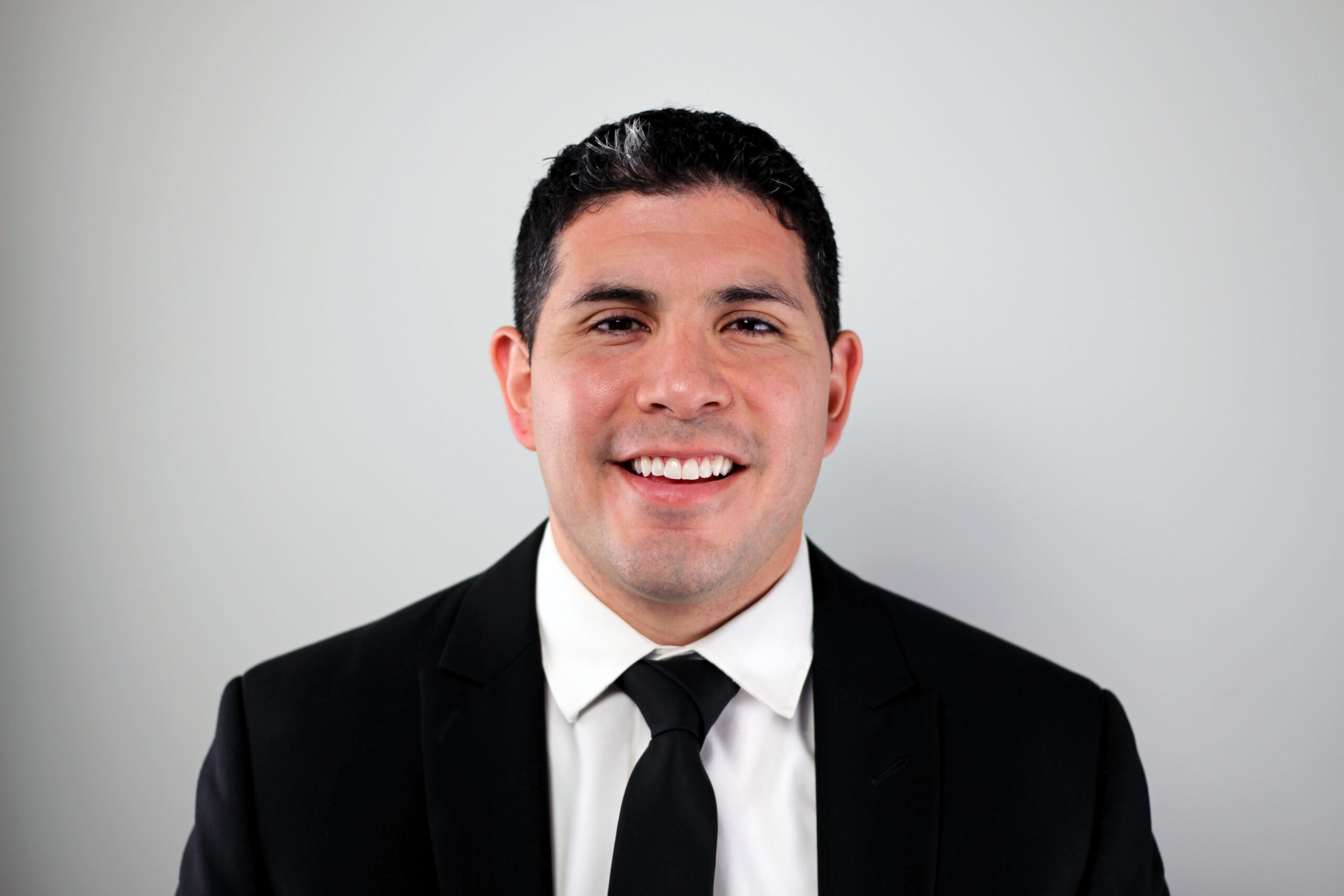
From his early days as a student at National University of Health Sciences (NUHS) to his current roles as a PhD candidate at Yale University, Gregory Roytman, DC’19, MS, MPhil, has seamlessly blended clinical practice, research and teaching to advance the field of complementary health care.
Dr. Roytman graduated from National University of Health Sciences (NUHS ) with his Doctor of Chiropractic Medicine (DC) in 2019. During his time at NUHS, he worked as a research fellow alongside the dean of the department of research, Gregory Cramer, DC, PhD.
“The highlight of my time in the research department was really Dr. Cramer’s mentorship,” Dr. Roytman said. “During that time, I learned what it meant to do research and it gave me skills that I use to this day. This was the point where I was able to consider myself a researcher.”
Shortly after graduating, Dr. Roytman became a postdoctoral research associate at the Yale School of Medicine Biomedical Informatics and Data Science. His responsibilities included managing the template and extracting the data for the Veterans Response to Dosage in Chiropractic Trial study.
He is now a PhD candidate in biomedical engineering at Yale University with a research focus on biomechanics, manual therapy and rehabilitation. Since pursuing his PhD, Dr. Roytman has been involved in several research projects on biomechanics, 3Dmodelingand acoustic biomarkers for lower back pain. His ultimate goal as a researcher is to translate his findings into actionable practices.
In addition to his studies, Dr. Roytman has been practicing part time as a chiropractic physician at the Veterans Administration Connecticut Health System since 2020. In this role, he provides care to veterans with musculoskeletal conditions. He also contributes to academia as a visiting research assistant professor at NUHS.
With a familial background in chiropractic medicine, Dr. Roytman has always wanted to pursue a career where he was able to help patients. His focus in conducting research, clinical practice and teaching ensures that there’s always a space to integrate chiropractic care into broader health care systems.
“After graduation, you will go out into the world with advanced healthcare degrees and realize you actually have a lot of flexibility to personalize the career you want,” Dr. Roytman said.
One way Dr. Roytman stays connected to his alma mater is through continuing research with Dr. Cramer. He has also visited NUHS as a guest speaker to discuss the diverse career paths in complementary health care and to share his professional journey since graduating from NUHS.
“Even since I’ve graduated, there are plenty more opportunities for complementary integrative health professionals. Don’t feel boxed in by what might be out there. You can pretty much write your own playbook. Think about what you want to do and then just structure your training or the rest of your career around that,” Dr. Roytman said.
Through Dr. Roytman’s ongoing research, clinical care for veterans and mentorship of future practitioners, he continues to demonstrate how chiropractic care can be integrated into health care while emphasizing the vast potential the field holds.